Before pitchforks came for Metaview
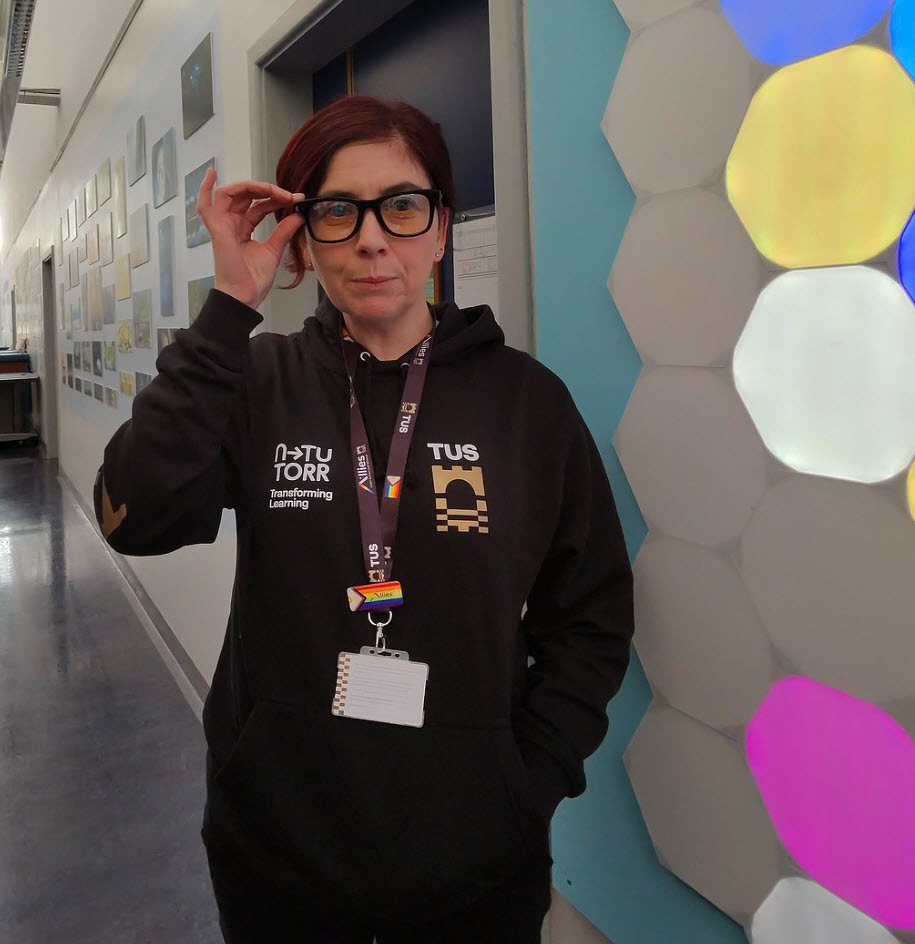
Long before the pitchforks came rushing after people using Metaview, Geraldine McDermott from N-TUTORR visited Ground Zero where Ray-Ban Meta Glasses roamed the hallways. She snapped a photo of me as I captured the inception moment on my 4yo phone.
I remember this day because Flickr served me up a reminder of when it happened. More than 400 people have viewed this photo of Geraldine since February 2024. Most were searching for content that was electronically annotated with Metaview markers in the EXIF files. Since that day in the Clonmel hallways, I’ve continued developing learning materials for people who want to use Meta Glasses to along with their critical thinking skills to quickly learn more about the real world around them.
Recently, I’ve stared creating a structured microcourse syllabus designed specifically for groups of 12-16 elderly Irish learners, grounded in the Adult Literacy for Life (ALL) framework that Zeta Dooly has reviewed with me. During one of our rolling (literally rolling) meetings we discussed fundamentals of microlearning and universal design that Frances O’Donnell shared with us during several edtech workshops in Ireland.
For part of October, I’ll work with librarians in County Tipperary as their elderly visitors put themselves in history. These short two-hour practical workshops are divided into four micro-modules. Learners need to bring their own smartphones and I work with Chris, a Learning Cert student, to help them download a few free apps as we reframe historical photos.
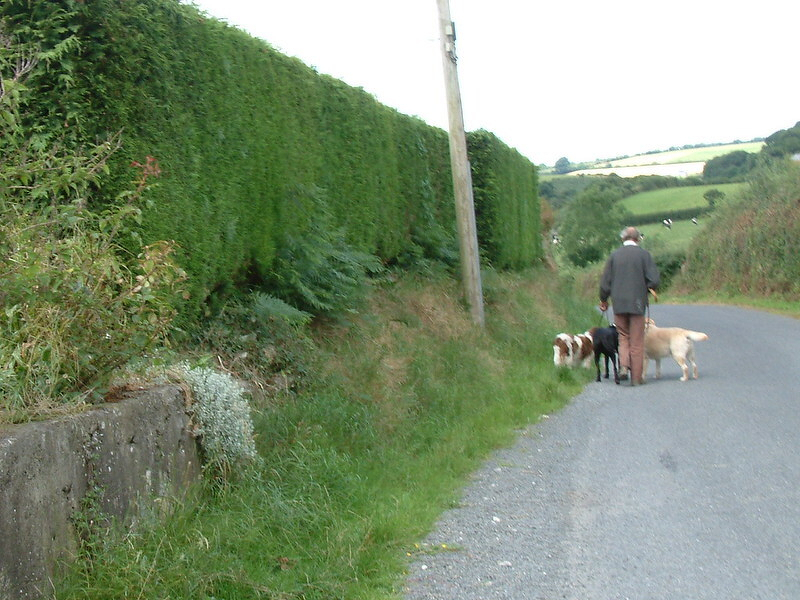
I have taught 125 elderly people already as part of SOLAS courses. During every session I encounter someone who has never downloaded an app so there is a lot of fundamental digital literacy offered during every training session. Fortunately, nearly everyone has taken a photo with their phones–although some pensioners have never snapped a selfie.
During the short training session, we learn how to produce selfies that are saved with monochrome or black and white filters. A handy printed handout shows the icons, technical terms, and suggestions to reinforce hands-on demonstrations.
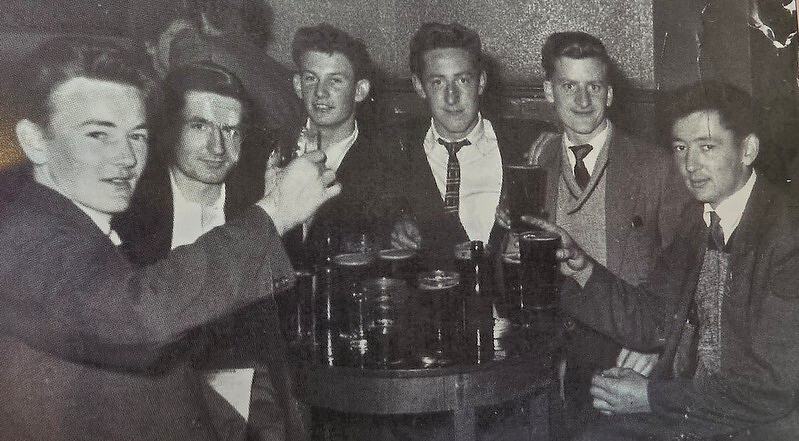
The excitement starts when learners choose historical local streetscapes and photos of people standing next to prominent landmarks. We transpose the selfies into the vintage photos. Sometimes that means changing clothing choices and altering hair styles. It’s fun listening to people talking to an AI as they chop and change to get the perfect look.
One part of the printed handout shows the icons and discusses the names of the apps (e.g., Google Gemini, ChatGPT, or Meta AI) as creative assistants. But the focus of the training is to help people use clear, conversational prompting. To be aware of the power and water being used as we let an AI do the heavy editing. And to develop listening skills, especially when I offer guided support that helps learners to adjust lighting and positioning.
We celebrate achievements and enjoy simple wins during every library session. As a teacher with more than 30 years of classroom experience, I enjoy the confidence I see emerge when septuagenarians help friends with tips that extend beyond the hand-outs and demonstrations that I offer. And The Group Show-and-Tell Session reveals personal “discovery moments” that I hope to share during edtech conferences.
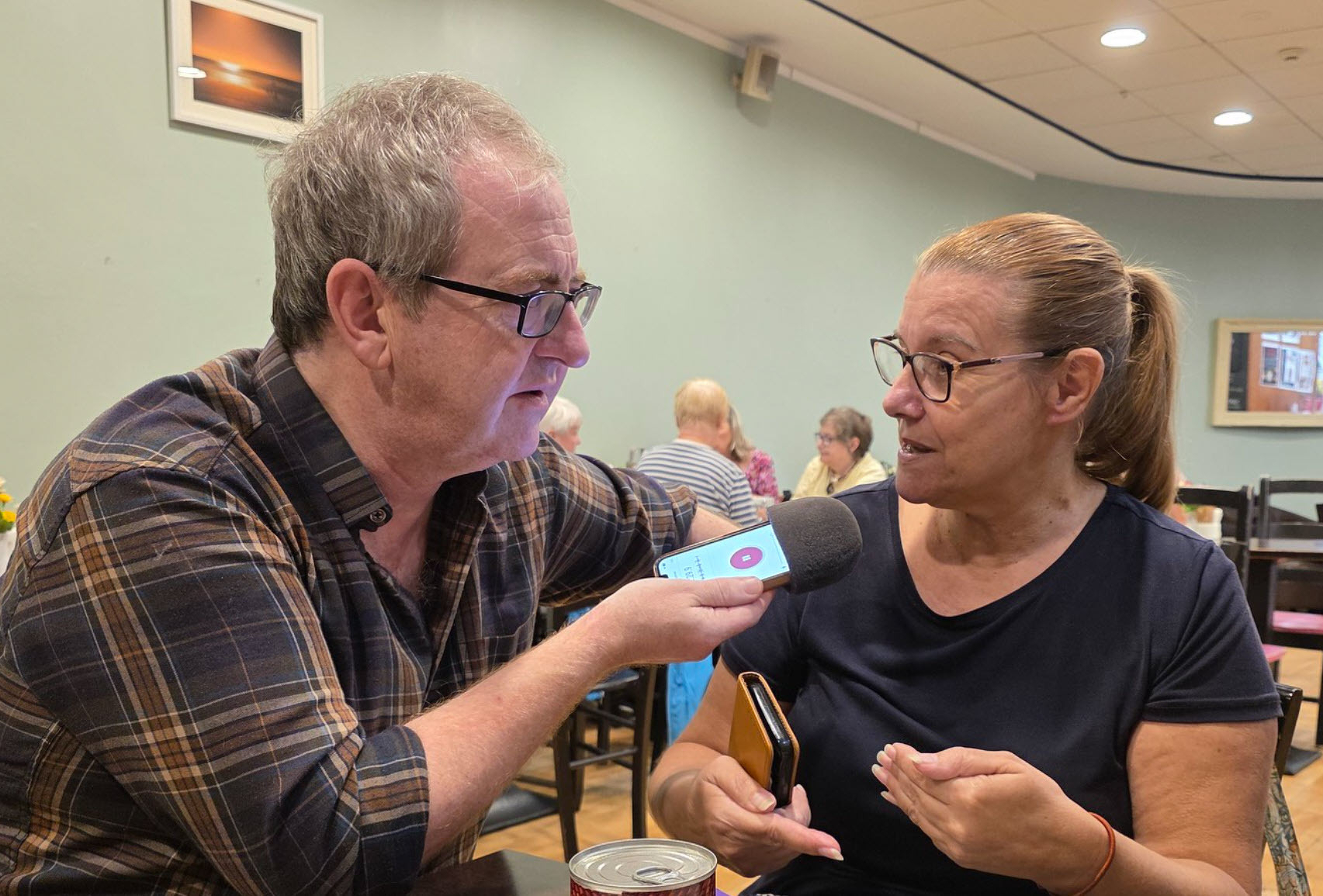
I have some of the vox pops in my Topgold Audio Blog that we recorded after several sessions. If you spot me in Berlin during OEB, ask to hear one of the feedback clips or to see one of the printed physical postcard sized samples from one of my “put yourself in a historical photo” sessions. And if you want to collaborate in this sort of project to enrich people who enjoy adult literacy for life, please get in touch.