Hoping the web evolves into a big tent h/t @timbl
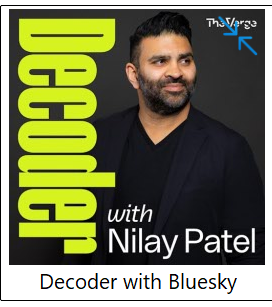
Years ago when I was compiling a list of the people who creative media students respected, Sean O’Grady put Nilay Patel at the top of his list of Thought Leaders and I took his advice. Now whenever The Vergecast drops, I tune in right away. The current episode is about how a “CEO wants a big tent.” It’s worth setting aside an hour to appreciate this important discussion of the Open Web.
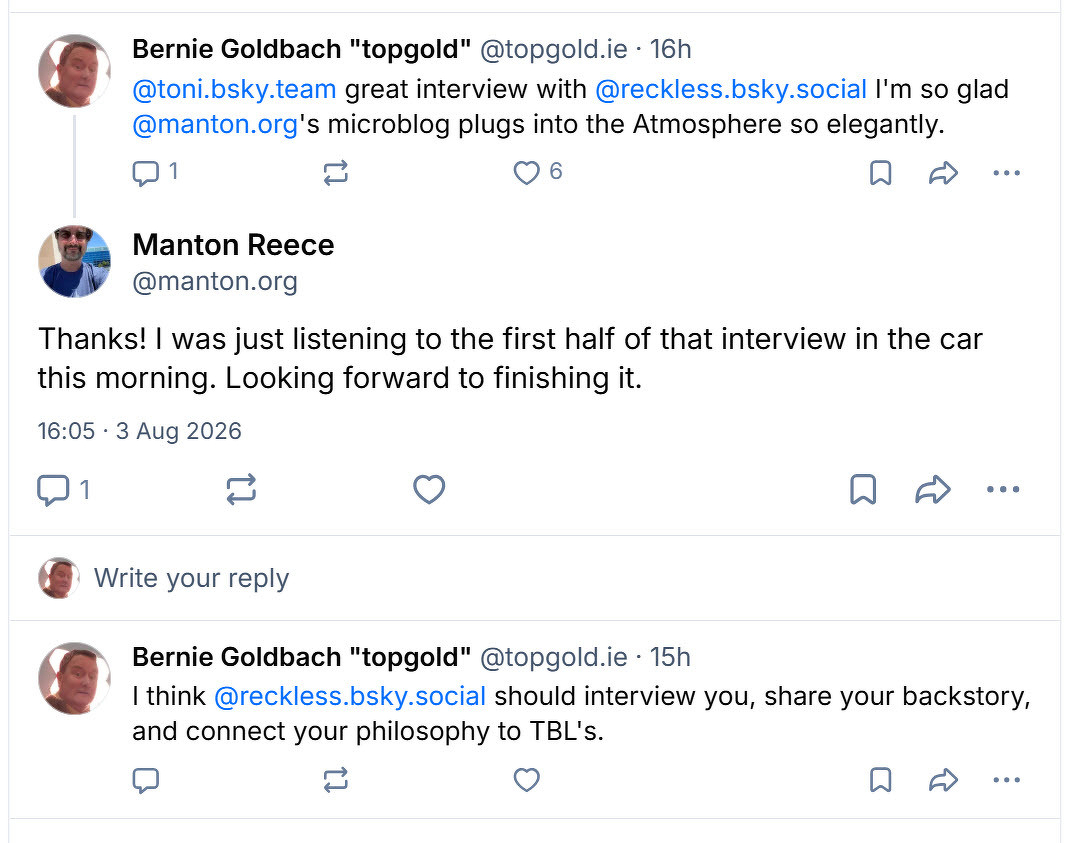
When I posted a quick comment about Nilay and the Vergecast on Bluesky, I was happy to see Indieweb Developer Manton Reece was also tuned into the Vergecast as well. I’m grateful to the wonderful plumbing of RSS feeds inside both the Microblog platform and inside podcatchers. I appreciate how Pocketcasts alerts me whenever the Vergecast drops an episode.
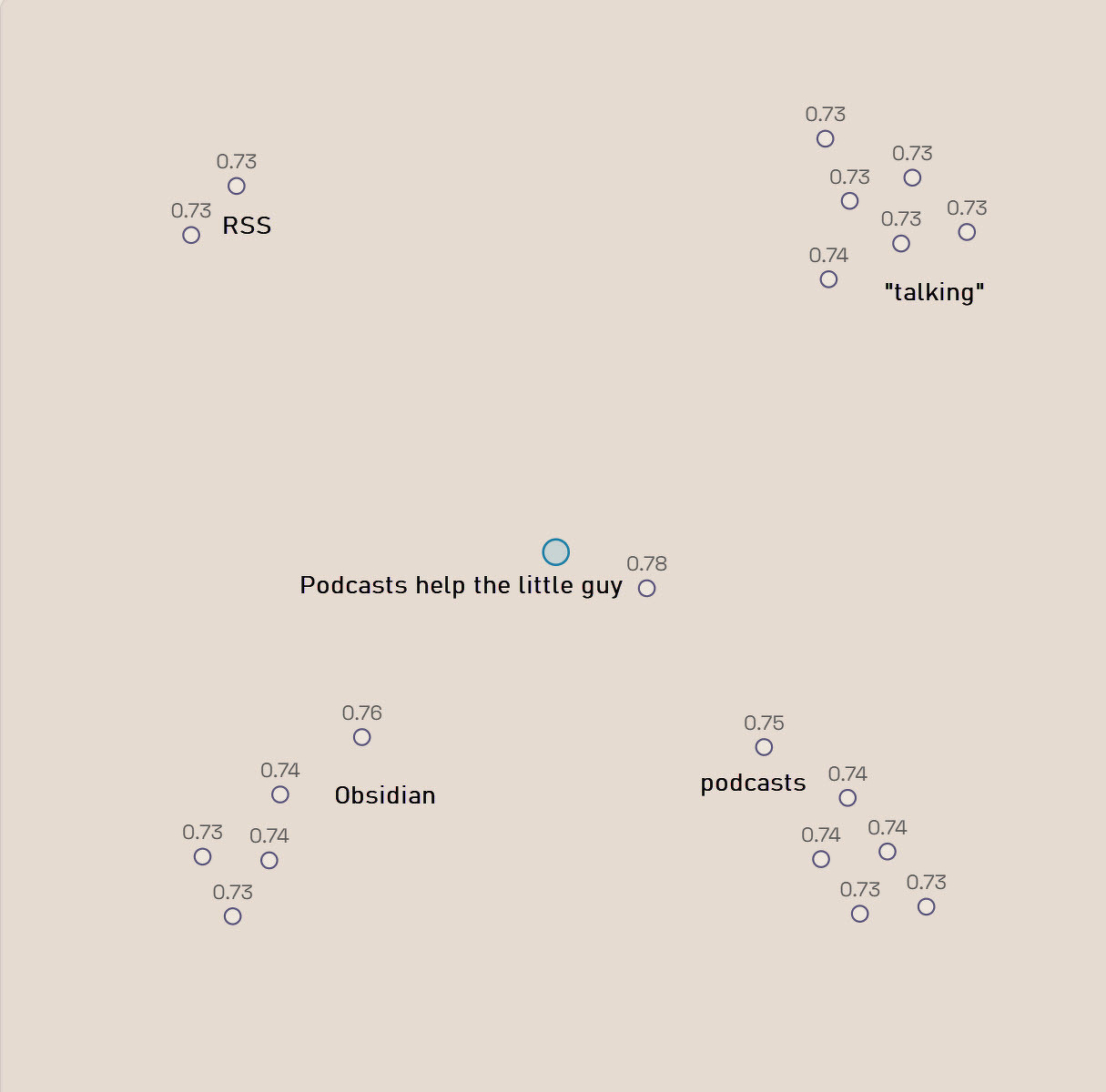
I tap a few thoughts into the mobile version of Obsidian when listening to podcasts like the Vergecast and then watch the local knowledge graph inside Obsidian suggest links (below) to items I've previously noted in my Personal Knowledge Management System. So I tapped "open web" and "PDS" into my mobile Obsidian when Toni Schneider mentioned the AT Protocol (Authenticated Transfer Protocol) and Personal Data Server (PDS). Those are key pieces of architecture that ensure I can maintain a primary home base and sovereign digital vault.
These are also core principles advocated by Sir Tim Berners Lee.
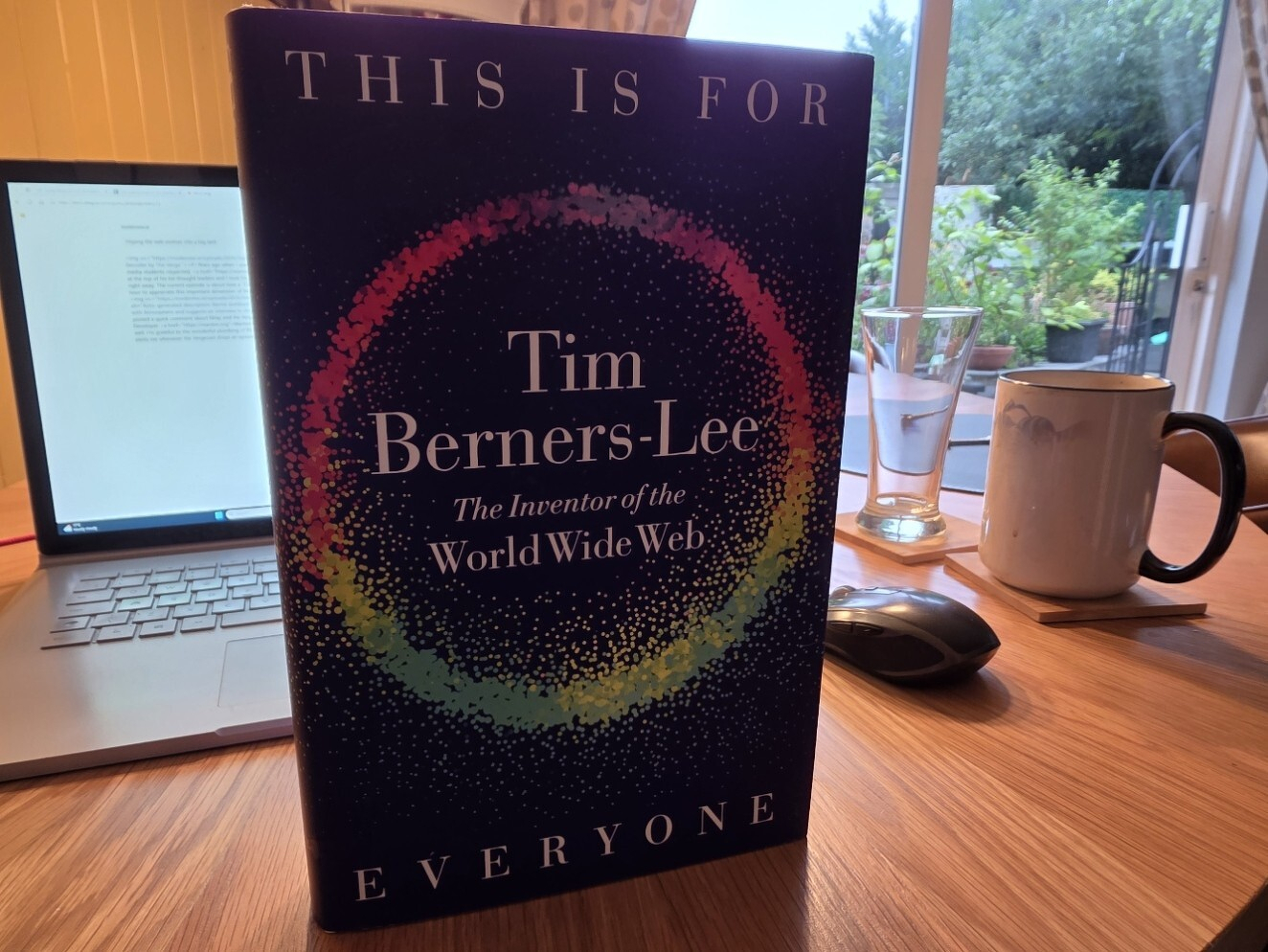
In This is for Everyone TBL writes
What I see, meeting people in my travels and conferences, and in my communications online, is an emerging consensus that we have to build a different kind of world. I see this in the effort to create AI systems that protect your data and put the realization of your best intentions about the creation of new distractions. I also see it in the developers and users who are abandoning–or sometimes just want to abandon–platforms like X and Facebook for something pro-human. That’s the essence of the ‘Fediverse’–a nascent environment that has grouped together a number of open protocols. The growth of the decentralized microblogging network Bluesky over 2024 and 2025 suggests that users desperately want something different. Bluesky is a protocol, not a website, and the eventual idea is that you can control which instance of the site you join, and the rules for moderation that you want to see.