Stop being creative traffic
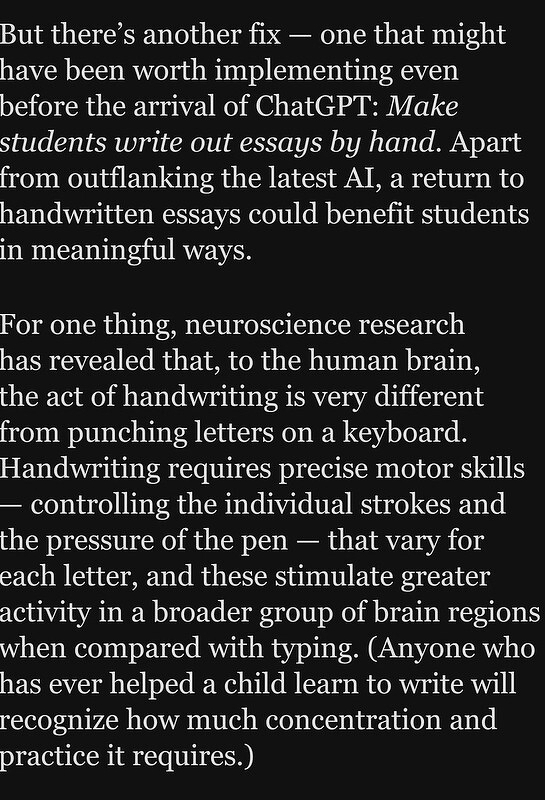
I have a Moleskine from 2022 with passwords from ChatGPT 3 in it. I was made several attempts to integrate AI into simple workflows such as adding intelligence to my notes. Back then I suggested educators should insist on handwritten notes as a way to combat AI.
Since the middle of 2023, I’ve tried dozens of tools. I’ve stressed and broke highly recommend workflows. I have spent several thousand euros to be at the head of every new wave. And discovered I cannot surf in the high waves of AI.
But the journey has paid off. I am confident with the realisation that I am smarter than the machines I have hired to reduce stupid work. I have felt more mental exhaustion with AI than I experienced while learning how to survive as a T-38 instructor pilot.
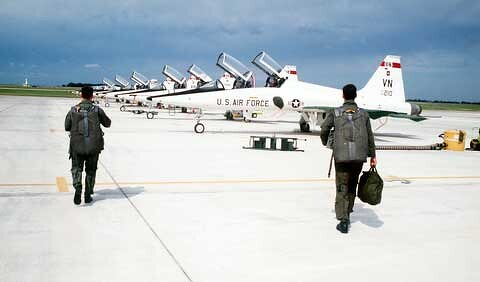
When I taught fighter pilots in the T-38, I showed young lieutenants that the smartest moves did not rely on afterburners. The smartest pilots could visualise where they needed to be and they thought their way along that vector. This advice is similar to advice offered by people who have seasoned themselves in all forms of AI environments. I am claiming back thought space by relaunching into outdoor activities. Like gardening with rain in Ireland.

Finding quiet coffee spots to read and write.
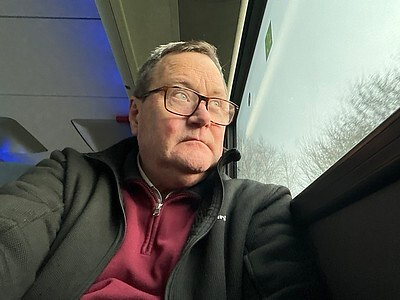
Taking trains to towns I’ve never visited and waiting for the return train in four hours' time.
These calming routines help me get away from always-on machines and back into the slow lane of creative thinking spaces.
As Michael Mantassa advises, I need to give my mind “space to move. Right now, we’re all moving so fast we’re becoming creative traffic.”