Talking to researchers about ethical AI

In early 2026, here are five main topics I would address when teaching researchers to effectively leverage artificial intelligence.
1. Prompt Engineering and AI Dialogue.
Learning to communicate precisely with AI systems is foundational. This means crafting clear, contextual prompts, iterating on outputs, and understanding how framing shapes results. We would reframe the prompt that created the image at the top of this post. A researcher who can direct AI will get dramatically better outcomes than one who treats it as a search engine or a simple chatbot.
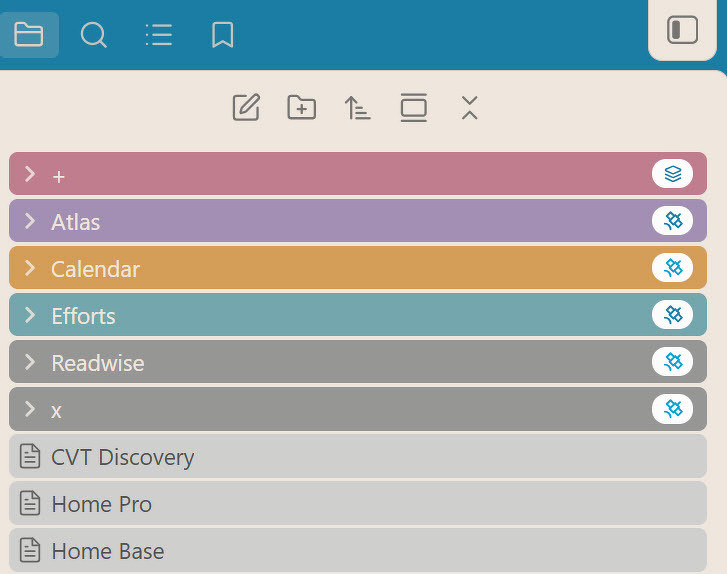
2. Personal Knowledge Management with Notebooks
When researchers start with original material, AI can help focus analysis and completion of work packages. I show how to set up and interrogate notebooks containing research questions by using services such as NotebookLM, Claude Projects, and Copilot Notebook. I show how to build research project folders that we use in follow-on sessions. NTS: If I had written this blog post inside my Obsidian Vault (top level interface shown in above screenshot), I would have noticed the misspellings and the broken hyperlinks.3. Critical Evaluation of AI Output.
AI generates plausible-sounding content that can be factually wrong, subtly biased, or ethically inappropriate. I think it's important to review AI outputs as skeptics so I show some of the false results AI has produced for me. The AI literacy that evolves happens by reviewing the structure of original material and the output materials.4. AI-Augmented Research and Knowledge Synthesis
Using AI tools to scan literature, summarise papers, identify gaps, and draft sections of research output can dramatically accelerate scholarly work. This session focuses on developing a reliable personal workflows, including including citation verification habits .5. Ethical and Sustainable Use Incorporated with Policy Literacy.
Understanding institutional AI policies, data privacy obligations (especially considering research data sets), intellectual property implications, and the equity dimensions of AI access is essential for responsible use. A research who deploys AI without this awareness risks damaging institutional reputations or breaching professional obligations, even with good intentions.
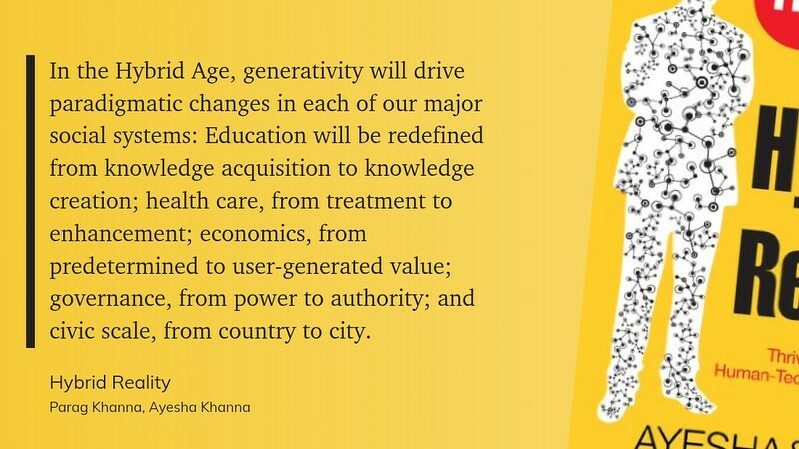
In this hybrid age, the thread connecting all five of these training sessions is judgment — developing digitally transformative skills that establish when and why to use AI, not just how.
I use training materials stored in both Google Drive and OneDrive. The materials originate inside my Obsidian Vault. I query that vault when using Claude to spin up my PowerPoint decks. In many cases, I have discovered people cannot access shared storage locations such as Google Drive or Dropbox so I am looking at ways to post working notes inside the Best Practise category on my InsideView.ie microblog. You can subscribe here.