When I planned wars
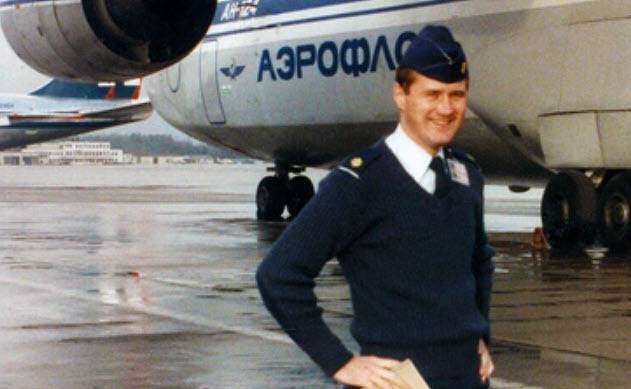
I was hands-on with several American war plans when I worked as a Pentagon Air Staff Officer in the 80s. One of the plans put me on the tarmac next to Russian cargo aircraft. Another involved Berlin and that plan was briefed to “Rawhide” before he said “tear down this wall.”
A few months ago, Gen. Dan Caine, the chairman of the Joint Chiefs of Staff, briefed President Trump on a risk matrix that would unfold if Americans attacked Iran. One of the risks involved the threshold that could prompt Iran to close the Strait of Hormuz.
Two weeks after the excursion into Iran started, global shipping through the Strait of Hormuz has stopped. Iran has deployed mines, drones and missiles to close the world’s most vital shipping lane. Insurance companies do not believe America can restore order so now Trump wants to deploy troops on the ground to secure the strait.
Tehran has not capitulated even under a barrage of lethal US military air strikes. You cannot win a war and you cannot change the hearts and minds of people by bombing their schools and other soft targets. This was in the briefing deck that Trump received before he approved the first salvos of missiles and bombs.
We are watching the most consequential foreign policy decision of this century unfold as Trump’s grip on American politics loosens and as his authority on the world stage diminishes.
We are witnessing a tragic chapter that will affect Trump’s legacy, more damning than the abortive withdrawal of troops from Afghanistan.